Learn the 5 signs your roof needs repair or replacement. Trusted roofing in Delaware county, Chester county. Free quotes & inspections
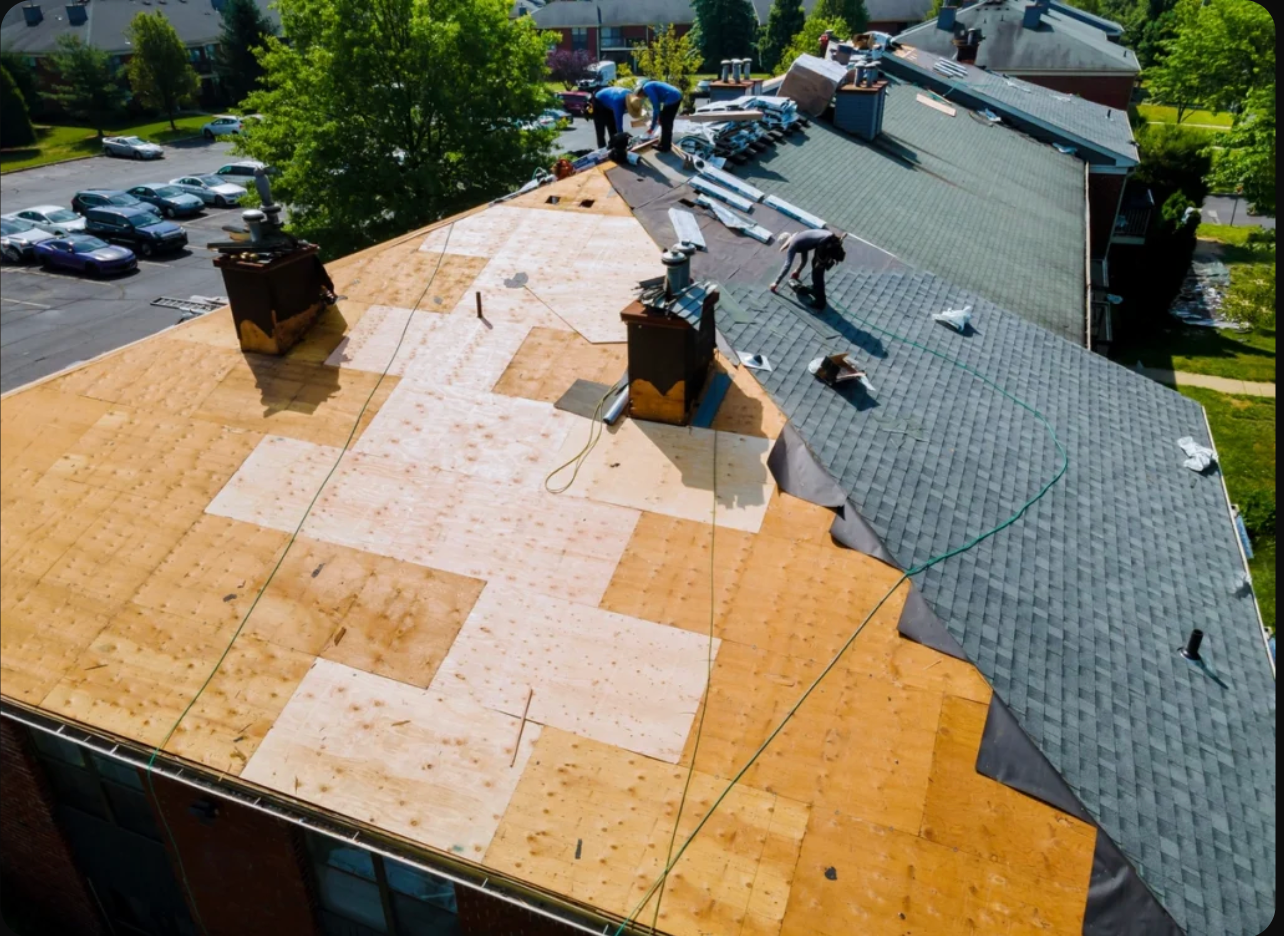
The Homeowner's Guide to Buying a Roof in Chester, Montgomery & Delaware County Buying a roof is one of the larger purchases you'll make for your home — and one of the few you can't really test-drive. You don't see the quality of the work until years later, usually the hard way, during a heavy August downpour or the first hard January freeze. By then the crew is long gone. That's especially true here in the western suburbs. Our roofs take a beating that homeowners in milder climates never think about: real freeze-thaw winters, ice dams, humid summers, nor'easters off the coast, and the occasional remnant of a tropical system — Ida flooded large parts of Montgomery and Chester County in 2021, and plenty of roofs took wind and water damage along with it. On top of that, the housing stock across Chester, Montgomery, and Delaware County is all over the map: century-old stone farmhouses and steep-pitch Colonials in one township, brand-new developments with HOA rules in the next. So before you sign anything, it pays to slow down and know what you're actually buying. You don't need to be a roofer to tell a solid job from a cheap one — you just need to know what to ask. Here's the guide we wish every homeowner in our area had in hand before getting their first estimate. Price matters — but the lowest bid is the most expensive way to learn a lesson When three quotes come in, the cheapest one jumps off the page. It's tempting. But a roof is a system, and the price difference almost always comes from what a contractor leaves out of the cheap bid — not from them being generous. A low number usually means one or more of the following: thinner or builder-grade shingles, skipping the underlayment upgrade, reusing old flashing instead of replacing it, not accounting for replacing rotted decking, or simply paying a less-experienced crew. You're not comparing the same roof at three prices. You're comparing three different roofs. Ask each contractor to break the quote down line by line. The right one will be happy to walk you through where the money goes. If someone can only give you a single round number and gets cagey when you ask what's included, that tells you something. Our weather is the real test — so look under the shingles Homeowners shop for shingle color. Roofs in this region fail because of everything underneath, and our freeze-thaw cycle is brutal on the parts you never see. Water gets into a small gap, freezes overnight, expands, and pries it wider — over and over, all winter. When you're comparing options, ask specifically about: The decking. This is the wood layer the whole roof is nailed to. On our older homes especially, years of slow leaks can leave it soft or rotted, and it has to be replaced. A good estimate will tell you upfront how rotted boards are priced if they're found, so you're not blindsided by a "change order" mid-job. Underlayment and ice-and-water shield. This is the water barrier between the decking and the shingles. In our climate, proper ice-and-water shield along the eaves and valleys isn't a luxury — it's your main defense against ice dams backing water up under the shingles during a thaw. Synthetic underlayment also outperforms the old felt paper that cheap bids still use. Flashing. The metal that seals the vulnerable spots — around chimneys, valleys, vents, and walls. Reusing old, corroded flashing to save money is one of the most common shortcuts, and it's a leading cause of leaks. New roof, new flashing. Ventilation. A roof that can't breathe traps heat and moisture, which in our humid summers cooks the shingles from below and, in winter, contributes to the ice dams that plague homes here. Poor ventilation also voids many shingle warranties. A good contractor assesses yours rather than ignoring it. If a contractor only talks about shingles and never mentions any of this, they're selling you the visible 20% of the job. Know your house: older homes and newer developments are different decisions One thing that makes our area unique is the sheer range of housing. The right roof for a 1920s stone Colonial near West Chester or a Main Line Victorian in Haverford is not the same decision as the right roof for a 2005 development home outside Lansdale or Phoenixville. If you own an older home, there's a good chance you have — or once had — a slate or cedar roof, or architectural features that deserve more than a one-size-fits-all asphalt tear-off. A contractor who immediately pushes a full asphalt replacement on a slate roof that could be repaired, or who doesn't know how to work with the steep pitches and detailing common on our historic homes, isn't the right fit. Ask whether they've worked on homes like yours nearby. If you're in a newer development, check your HOA rules before you choose materials and colors. Many communities here dictate shingle type and color, and an approval can take weeks. A local contractor who's worked in your development will usually know the drill and can save you the headache. Understand the two warranties — they are not the same thing This trips up almost everyone. A roof comes with two completely different warranties, and one is worth far more than the other. The manufacturer's warranty covers defects in the shingles themselves. The catch: it only holds up if the roof was installed exactly to the manufacturer's specifications. A botched install can void it entirely, leaving you with a "warranty" that pays nothing. The workmanship warranty is the one the contractor stands behind — it covers their installation. This is the warranty that actually protects you from a leak caused by how the roof was put on. Ask how long it lasts, exactly what it covers, and — critically — whether the company is likely to still be around to honor it. A 25-year workmanship warranty from a contractor who disappears next spring is worth nothing. Vet the contractor harder than you vet the materials The same shingles installed by two different crews can give you two completely different roofs. So the contractor is at least as important as the product. Before you hire anyone, confirm: Licensing and insurance. They should be registered with the Pennsylvania Attorney General's office under the Home Improvement Contractor (HIC) program, and carry both liability insurance and workers' compensation. If an uninsured worker is hurt on your property, you can be the one on the hook. Ask for proof, not just a verbal "yep, we're covered." A local, traceable track record. A real address, real reviews, and jobs they've done in nearby townships. Roofing attracts out-of-town operators who follow storms and leave. A company with roots in our area has its reputation on the line in the same communities you live in. A written, detailed contract. Scope of work, materials, timeline, payment schedule, and cleanup — in writing. Anything promised verbally that isn't in the contract effectively doesn't exist. Permits here are a township-by-township affair This is where a lot of homeowners get tripped up, and where a local contractor earns their keep. In Pennsylvania, roof permits are handled at the municipal level — not the county — so the rules can change the moment you cross a township line. What's required in Tredyffrin may differ from Radnor, Lower Merion, Springfield, or West Chester Borough. A contractor who works across Chester, Montgomery, and Delaware County every week knows which townships require permits for a tear-off, what inspections to expect, and how to pull them quickly. Pulling the permit also means the work gets inspected to code — which protects you. A contractor who suggests skipping the permit to save you time or money is telling you they'd rather not have the work looked at. Know the red flags that should end the conversation A few patterns reliably separate the contractors you want from the ones you don't: The door-knock after a storm. After every big nor'easter or hail event, out-of-town crews flood our neighborhoods, pressuring homeowners to sign today. Reputable local contractors don't need to canvass your block. A large deposit upfront. A modest deposit is normal. Someone demanding most or all of the money before any work starts is a serious warning sign. Cash-only, no contract. This protects them and exposes you. Walk away. High-pressure "today only" pricing. A fair price is a fair price next week too. Urgency is a sales tactic, not a discount. A simple checklist to take to every estimate Bring these questions to each contractor and compare the answers side by side: Can you give me a line-item breakdown of this quote? How do you handle rotted decking if you find it, and how is that priced? What underlayment do you use, and are you installing ice-and-water shield along the eaves and valleys? Will you assess and correct my attic ventilation? Have you worked on homes like mine — and in my township — before? What does your workmanship warranty cover, and for how long? Are you PA-registered, licensed, and insured — and will you pull the permit? The contractor who answers all seven openly and in plain language is showing you how they'll treat you for the rest of the project. The bottom line A roof isn't a product you buy — it's a system someone builds on your house, and in our climate the quality lives in the details you can't see from the curb. The homeowners across Chester, Montgomery, and Delaware County who end up happy years later are almost always the ones who asked good questions early, chose value over the lowest number, and hired a contractor who welcomed the scrutiny. At Click & Cover Roofing, that's the conversation we want to have. We work in these townships every week — from the Main Line to West Chester to the developments out past Phoenixville — and we know what our weather and our housing stock demand. If you're weighing estimates and want a straight, no-pressure breakdown of what you're actually being quoted, we're glad to walk you through it, whether or not you end up hiring us.
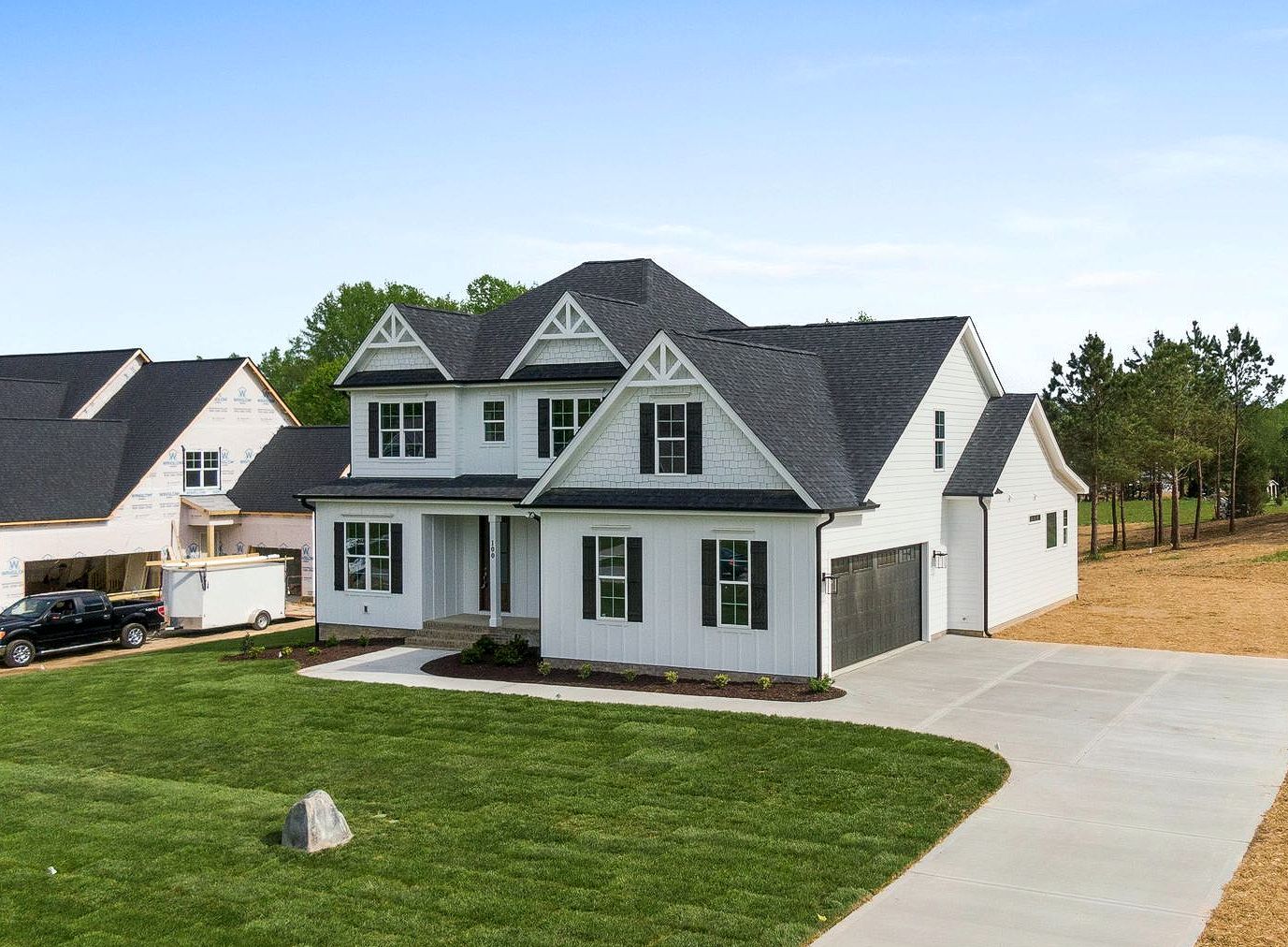
Vinyl Siding in Delaware County, Chester County & Montgomery County The Easiffordable™ Way to Upgrade Your Home’s Exterior If your home in Delaware County, Chester County, or Montgomery County is starting to show its age—faded color, cracks, or rising energy bills—vinyl siding is one of the fastest and most cost-effective ways to boost curb appeal and protect your investment. This guide breaks down costs, benefits, and what local homeowners need to know before upgrading. Why Vinyl Siding Is So Popular in Southeast Pennsylvania Homes in this region deal with: Hot, humid summers Freezing winters Heavy rain and wind Vinyl siding is built to handle all of it—without constant maintenance. Key Benefits for Local Homeowners ✔ Easiffordable™ Pricing Vinyl siding remains one of the most budget-friendly exterior upgrades available, especially compared to fiber cement or wood. ✔ Low Maintenance No scraping or repainting. Just rinse it clean when needed. ✔ Weather Resistance Perfect for Pennsylvania’s seasonal swings—resists moisture, warping, and pests. ✔ Fast Installation Most homes in Delaware, Chester, and Montgomery Counties can be completed in just a few days. ✔ Energy Efficiency Options Insulated vinyl siding helps reduce heating and cooling costs—important with rising utility prices. How Much Does Vinyl Siding Cost in Delaware, Chester & Montgomery County? One of the most common questions homeowners ask: 💰 Typical Price Range: $6,000 – $14,000+ for most homes Larger homes or premium options may be higher What Affects Price: Home size and layout Removal of old siding Insulation upgrades Trim, soffit, and fascia work 💡 Many homeowners are surprised how Easiffordable™ new siding can be—especially with financing options available. Signs You Need New Siding If you live in Delaware County, Chester County, or Montgomery County , watch for: Cracked or warped panels Faded or uneven color Drafty rooms or higher energy bills Mold or moisture damage Frequent repairs 👉 If you’re seeing multiple issues, replacement is usually more cost-effective than patchwork repairs. Real Transformation: What to Expect A vinyl siding project doesn’t just fix problems—it completely transforms your home. Homeowners typically see: A cleaner, modern appearance Increased home value Better insulation and comfort Less ongoing maintenance Choosing a Vinyl Siding Contractor in Your Area Not all contractors are the same. For homeowners in Delaware, Chester, and Montgomery Counties , look for: Local experience and completed projects nearby Clear, upfront pricing (no surprises) Strong customer reviews Warranty on materials and labor A reliable contractor will walk you through options, colors, and pricing—without pressure. Why Local Matters Working with a contractor who understands Southeast Pennsylvania homes means: Familiarity with local building styles Knowledge of weather-related wear and tear Faster scheduling and service Get a Vinyl Siding Estimate (Fast & Easy) If you’re considering new siding, the next step is simple. 📍 Serving: Delaware County Chester County Montgomery County ✅ What You’ll Get: Fast, no-pressure estimate Real price range (not vague numbers) Options that fit your budget 🚀 Get Started Today Your home’s exterior doesn’t have to stay outdated or damaged. 👉 Message us now for a free vinyl siding estimate - Sales@clickandcoverroofing.com 👉 Or request a quick quote and see how Easiffordable™ your upgrade can be